
Hidden Cost of Losing Regular Customers
Let 60% of your one time customers turn it into regular customer with the PoS based loyalty program of Zuvesa. No additional application required as it provides Prive: in-built loyalty program.
The corner table by the window has a memory.
Every Thursday. 12:30 PM sharp. Same couple. Same rhythm. Same order - maybe a slight variation if they’re feeling adventurous. Comfortable, reliable, the kind of guests your floor staff can set a watch by. Your staff doesn’t even need to ask anymore.
They’re not just customers.
They’re part of the place.
And then one Thursday, they’re just not there. Not the next week either. Or the one after that.
No big scene, no complaint, nothing you can point to. They just quietly stop showing up.
For most restaurants, it goes completely unnoticed. There’s no real record of how often they came in, no signal when that pattern suddenly breaks, no system nudging you to check in. And by the time it does cross your mind - if it ever does - they’ve already become a regular somewhere else.
It’s the kind of loss that rarely gets talked about, but it adds up. For independent restaurants, these silent drop-offs can mean a significant amount of lost revenue over time.
What a Regular Customer Is Actually Worth?
It’s easy to think of a lost customer as just one missed meal - one bill, one night. But that’s not how customer value really works.
Take someone who comes in once a week and spends around $45. Over a year, that’s about $2,340 from just one person. Stretch that over a few years - long enough for someone to become a true regular - and you’re looking at well over $7,000.
And that’s just the baseline.
Regulars tend to tip better because they know your staff. They order more confidently because they know what they like. They take less time, ask fewer questions, and make the whole service smoother. On top of that, they’re the ones recommending your place to friends without you spending a rupee on marketing.
They also stick around. A one-off bad experience usually doesn’t push them away, because they’ve had enough good ones to balance it out.
So the real value of that Thursday regular isn’t a single meal - it’s years of steady revenue, lower acquisition and marketing costs, and word-of-mouth you simply can’t buy.
Why Regulars Leave (And It's Rarely What You Think):
When a restaurant loses a regular, the first assumption is usually that something went wrong—a bad meal, poor service, maybe they moved away.
And sure, sometimes that’s the case. But across service industries, the data points to something a bit more uncomfortable: most loyal customers don’t leave because of one big failure - they leave because it starts to feel like no one’s paying attention anymore.
It’s not dramatic. It’s gradual.
They stop feeling recognized. The familiarity built over months of visits doesn’t seem to matter. What used to feel personal starts to feel routine—like they’re just another table in the room.
There’s actually a term for this: perceived indifference. Nothing went terribly wrong… but nothing felt right either. So they drift away, quietly, to somewhere that makes them feel just a little more noticed.
The tricky part? You usually don’t see it happening.
The good news is—it’s fixable. But only if you’re able to spot the signs before they disappear completely.
The Early Warning Signs You're Missing:
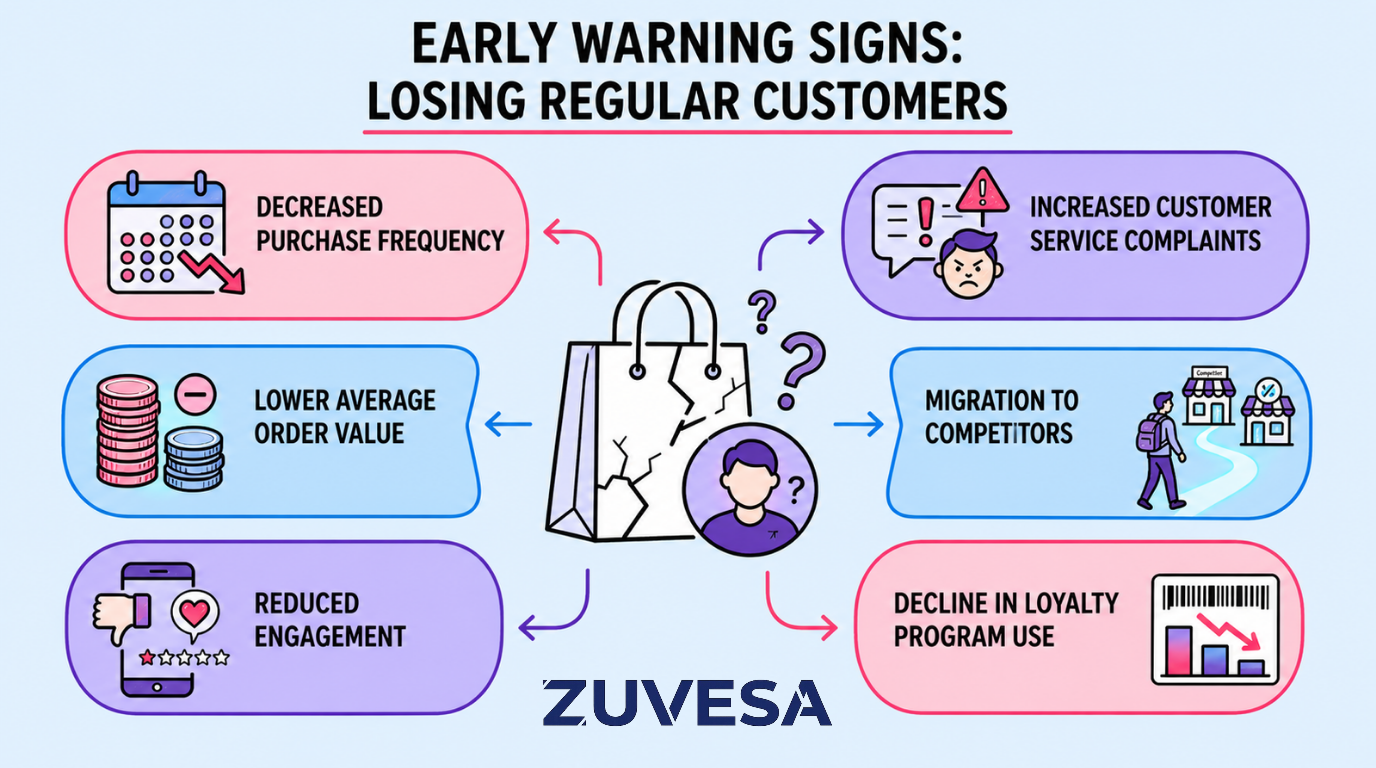
Without any system to track customer behavior, these signals are almost impossible to spot. With one, they become hard to ignore.
- Declining visit frequency: Someone who used to come in every week and suddenly starts showing up every couple of weeks is telling you something. It might be harmless—a busy schedule, a temporary change. Or it might be the start of them drifting away. Catch it early, and a small gesture can bring them back. Catch it too late, and they’ve already built a new routine somewhere else.
- A gap after a complaint: This happens more often than most restaurants realize. A customer mentions an issue, gets a quick apology, and that’s it. But if their visits drop off afterward, that apology didn’t land. That gap is a signal—they’re still waiting for the experience to be made right.
- The first broken pattern: If someone’s been coming in every Tuesday for months and suddenly misses a couple in a row, it’s worth noticing. A simple “we missed you” message—whether it’s a notification, email, or even a personal note—can go a long way at this stage.
- Rewards building up but not being used: When someone has earned a solid reward but hasn’t redeemed it, it’s usually not because they’re saving it. It often means they’re disengaging. Loyal, active customers tend to use their rewards. When they stop, it’s a quiet warning sign—not a win.
What Winning Restaurants Do Differently:
The restaurants that are great at keeping their regulars aren’t doing anything wildly complicated - they’re just more intentional about it.
- They clearly define what they’re trying to prevent: When the team understands that losing a regular isn’t just “one less customer” but a real financial hit, retention becomes part of the job. It changes how complaints are handled, how guests are treated, and how much attention small details get.
- They have a simple follow-up system: If someone who used to come in regularly disappears for a few weeks, they don’t ignore it. They reach out. Not with a generic promo, but with something personal - just a straightforward “We haven’t seen you in a while.” can go a long way.
- They actually use the data they already have: Every POS system already tracks visits, orders, timing, and rewards. The difference is that some restaurants act on that information. They notice patterns. They spot changes. They respond.
- They make it easy to come back: When they reach out, it’s not just for the sake of it—it’s to make returning feel effortless. Maybe it’s a limited-time reward, or a nudge tied to a specific day. The easier you make that next visit, the more likely it is to happen.
The Compounding Problem Nobody Models:
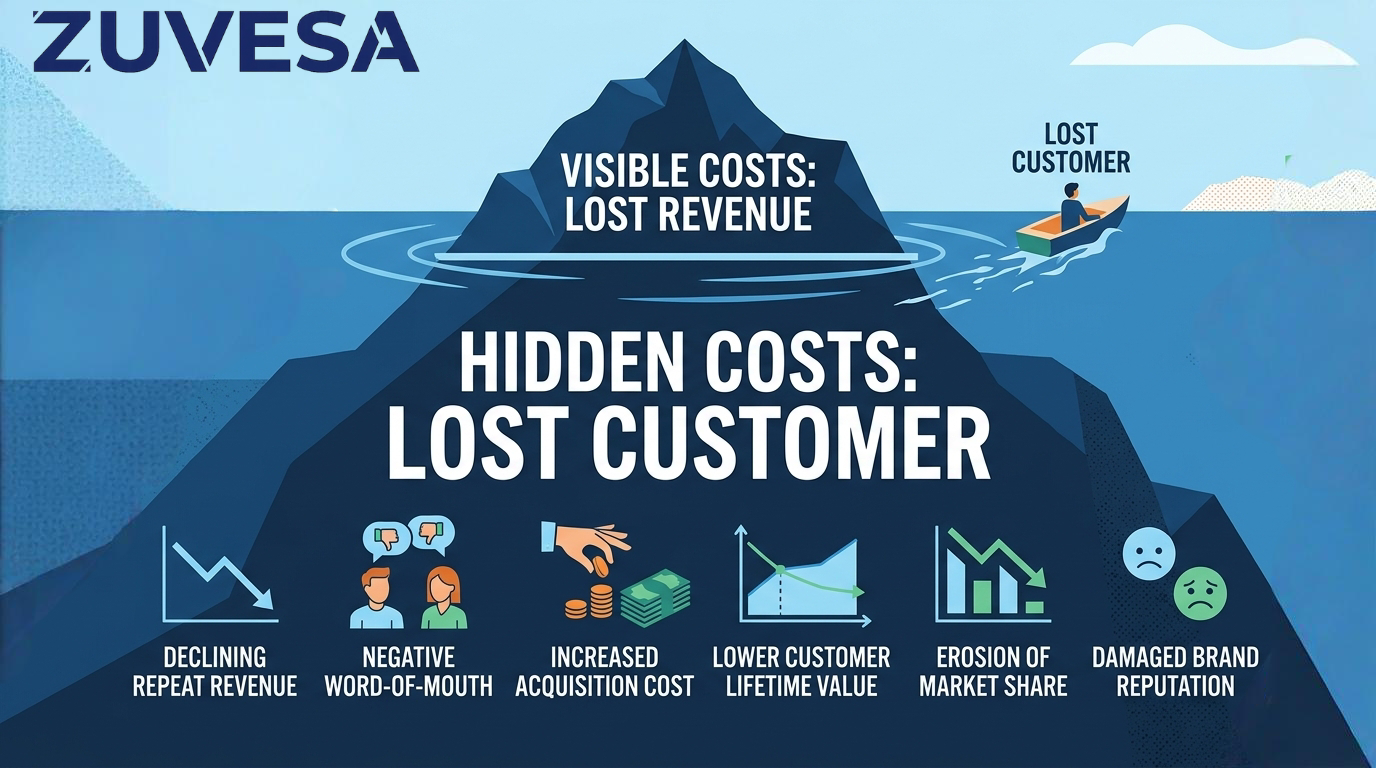
Here's the piece of the picture that most restaurants never really sit down and actually calculate.
When you lose a loyal customer, you don’t just “replace” them—you start over. And that replacement customer usually costs five to seven times more to acquire, with no guarantee they’ll ever become as consistent or valuable.
So what ends up happening? Your marketing channels—social media, review platforms, delivery apps—are constantly bringing in new people to fill the gap left by the ones you already had. You’re spending more money to rebuild something that was already working… with lower odds of getting the same result.
At the same time, your competitors are quietly winning on the other side of that equation. Every customer they manage to retain adds stability to their business. And when they bring back someone who had drifted away, they’re not just recovering one visit—they’re potentially securing months, even years, of repeat business.
It’s not just about getting new customers in the door. It’s about keeping the ones who already chose you in the first place.
A Practical Starting Point:
You don’t need to reinvent your entire operation. You just need one habit—and one number that actually matters.
The habit (practice): Anyone who visits three or more times in a 30-day window goes on your radar. Your team recognizes them. Your system flags them. And if that pattern breaks, it doesn’t go unnoticed.
The number(metric): Your 30-day retention rate. Out of every 100 customers who visit this month, how many come back within the next 30 days? That single metric tells you more about your business health than ratings or reviews ever will.
And if your current POS doesn’t make this easy to track, that’s your real bottleneck. The most valuable upgrade you can make isn’t more marketing—it’s a system that helps you keep the customers you already have.
The Relationship Is What You're Protecting:
A restaurant isn’t a necessity—people have plenty of options. They choose you, and more importantly, they keep choosing you because of how your place makes them feel.
Regulars aren’t just customers. They’ve invested in you. They tried your place, came back when they didn’t have to, and slowly made you part of their routine. That kind of loyalty isn’t casual—it’s earned.
When you pay attention to their patterns, acknowledge their milestones, notice when something changes, and make them feel valued… you’re not just running a loyalty program. You’re respecting a relationship.
That couple who showed up every Thursday? They picked you over dozens of other places, again and again.
The least you can do is notice when they stop visiting you.
Zuvesa's POS tracks customer visit patterns automatically, giving you visibility into your regulars and early alerts when behavior changes. Prive, Zuvesa's built-in loyalty engine, handles the rewards — so you can focus on the relationship. Learn more at zuvesa.com.
See it all together.
Book a 20-minute live demo and we'll walk you through every module that fits your business.