
The Truth About Restaurant Loyalty Programs: What Works in Present Era.
Turn your one time customers into regular customer with the help of Zuvesa. Run your business without any hustle and worries.
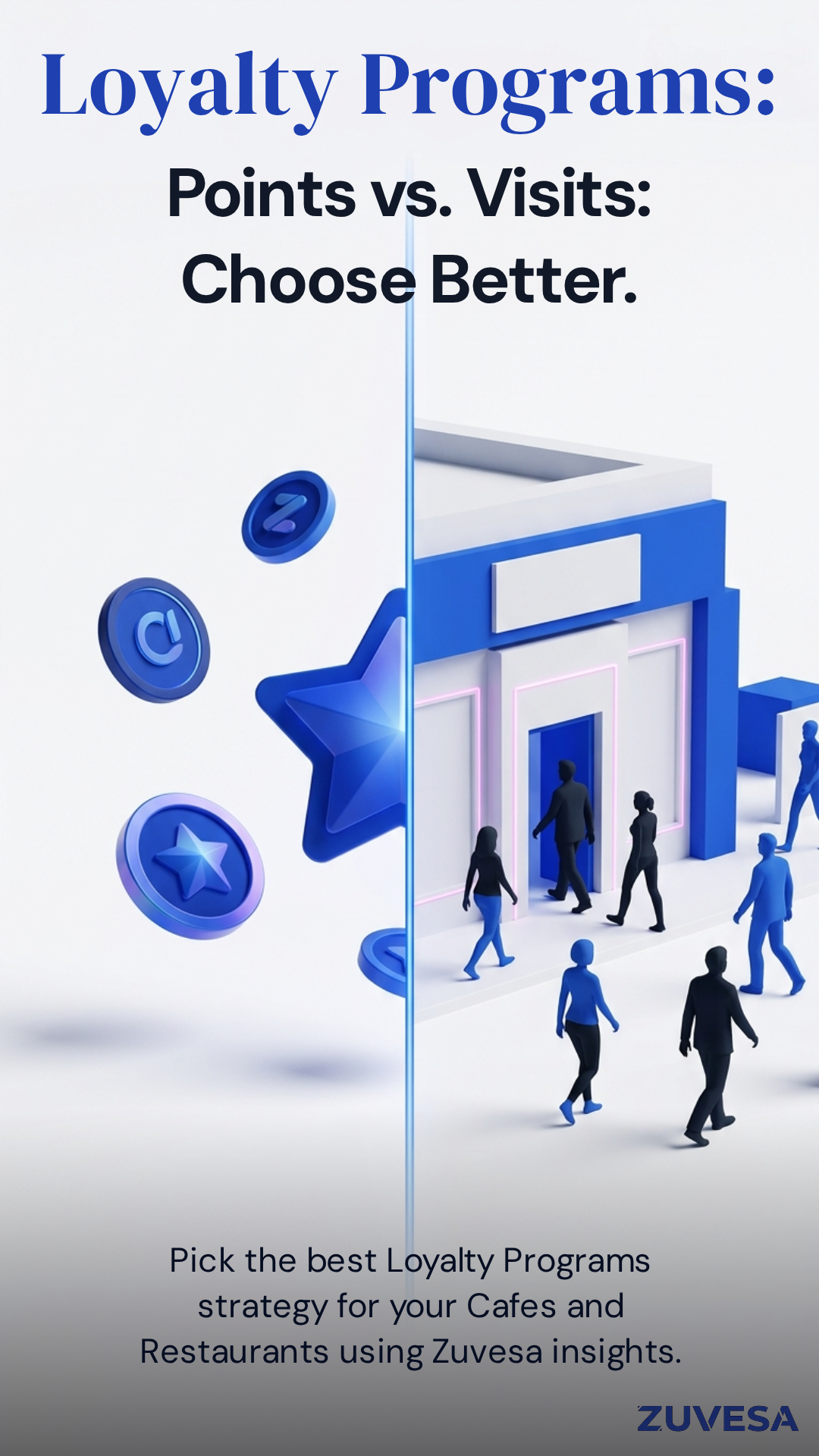
Let’s be honest—you’ve probably had at least one of those paper punch cards from Cafés.
You get it at a coffee shop, stick it in your wallet, forget about it, and by the time you remember… it’s either lost or irrelevant. The Café forgets too. End of story.
But then you look at brands like Starbucks or McDonald’s, and their loyalty programs are doing the exact opposite—they’re driving repeat visits, bigger bills, and serious revenue growth.
So what’s going on?
Why do some loyalty programs actually change customer behavior… while most just exist in the background, doing nothing?
- It’s not about fancy tech.
- And it’s not really about the rewards either.
It comes down to one simple thing: how the customer feels. It's wheather your program makes customers feel like they belong somewhere - or just feel like they're collecting tokens.
Real reasons behind Customers visits again and again:
Most restaurant owners assume people return because of good food, fair pricing, or convenience.
Those things matter—but they’re not the real reason.
Research in Consumer Psychology had expressed that People come back because they feel:
- Comfortable.
- Recognized.
- Familiar.
Think about your own habits. You don’t just revisit places—you revisit your places. The ones where your order is known, where things feel easy, where you feel like a regular.
That’s what a great loyalty program taps into.
It turns occasional customers into “regulars” on purpose.
But when done badly? It reduces everything to a transaction: “Spend X, get Y.” That’s not loyalty. That’s just a discount in disguise. People don't feel that they are special or different for them.
What Actually Makes a Loyalty Program Work:
- It has to be Effortless to Join:
If joining your program feels like effort, people won’t bother. No one wants to Download an app, Fill long forms, Verify emails, Remember passwords and all other hustles.
The best programs today are simple: “Enter your phone number or email at checkout. Done.” That’s it.
"Less friction = more signups." as every extra step costs you a Customer.
- Rewards need to feel real, not Theoretical:
“Earn 1 point per ₹1” sounds boring and meaningless.
“Just 2 more visits for a free dessert” feels achievable and exciting.
If rewards feel distant or confusing, they stop caring. The way you communicate progress matters more.
"Clarity of progress = motivation for frequent visits." as Customer understand what they're working towards.
- Surprises matter more than routines:
Predictable rewards are fine… but they become invisible over time - after few visits, the free coffee becomes expected, not special.
Unexpected rewards? Those stick. Think about:
- A birthday reward
- "We miss you" offer
- Random bonus points
These create small moments of delight—and those are the things people remember and talk about.
- Tiers change the game:
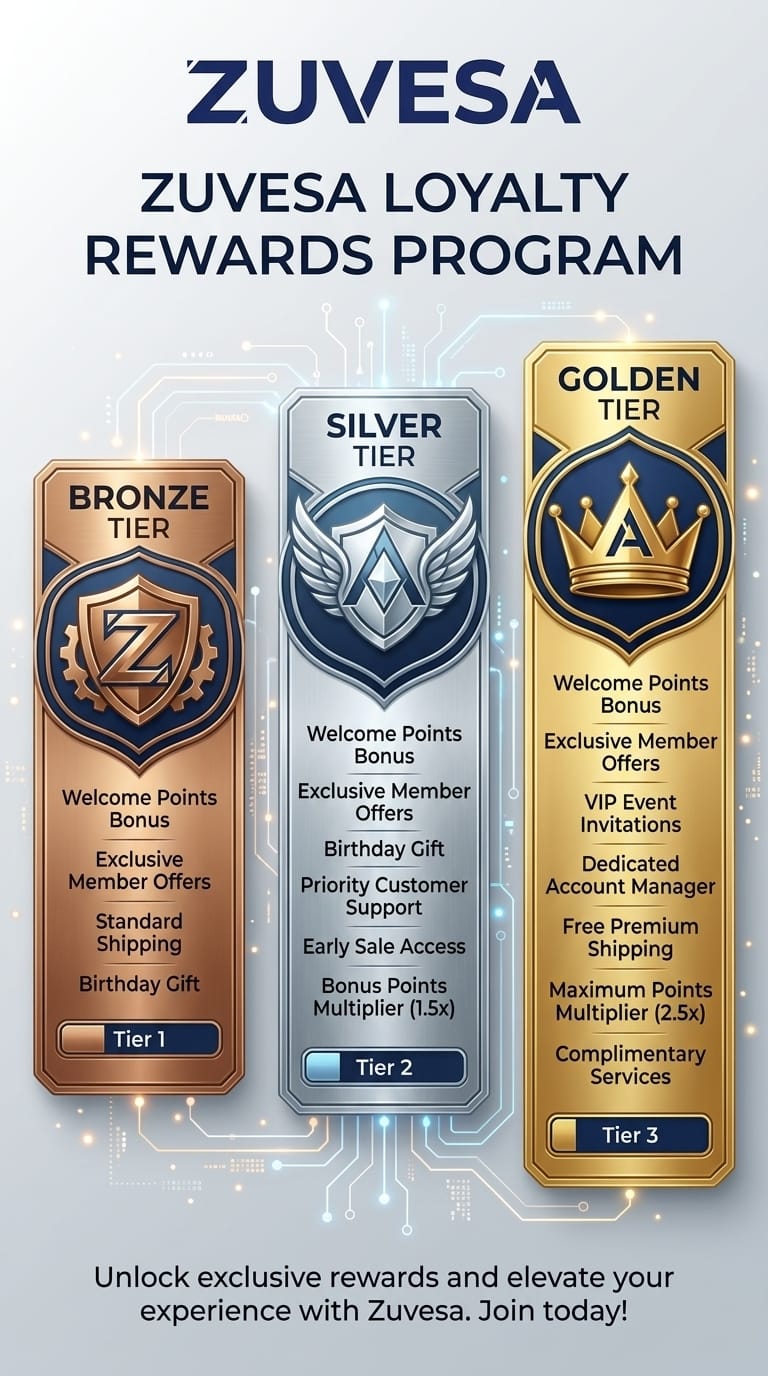
The most powerful loyalty program have levels: Bronze. Silver. Gold.
Not because people care about labels—but because they care about not losing what they earned and they don't want to lose their status.
Once someone reaches a higher tier, they’ll come back just to maintain it. It’s basic psychology: People hate losing more than they enjoy gaining.
And good powerful loyalty programs use that in a positive way to lock in their customers on regular basis.
Where Most Restaurants Go Wrong:
Mistake 1: Launching a program and then ignoring it:
A loyalty program isn’t “set it and forget it.”
It's a communication channel, If you’re not: Sending offers, Celebrating milestones, Engaging customers - it's slowly and quietly Dies.
Mistake 2: Rewards are designed only for the business, not for your customer:
You might want to give rewards that are cheap for you. But customers don’t care about your margins—they care about what excites them.
A slightly expensive reward that customers love will bring more repeat visits than a cheap one they don’t care about. Rewards that excites customer generate more visits and more word-of-mouth than rewards that are convenient for you.
Mistake 3: No tracking, no insights:
If you don’t know:
- Who is redeeming rewards?
- How often members visit?
- What actually drives repeat visits?
then your program is just guesswork.
The real value of loyalty isn’t points—it’s data.
Points-based vs. Visits-based: What works best for your Restaurant?
There’s no one-size-fits-all answer. It's a real strategic choice, and there is no universal answer.
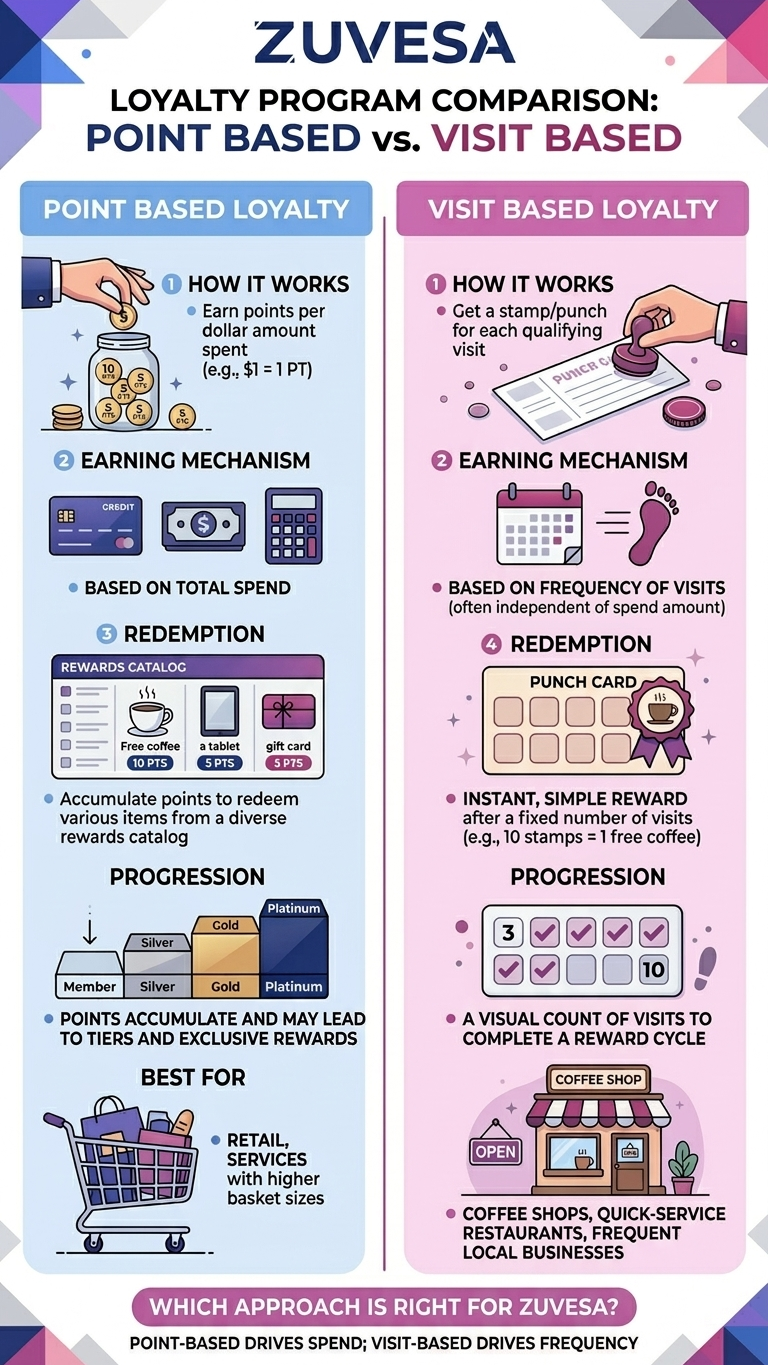
Points-based programs work best when you want to capture spend behaviour- rewarding customers who ordered more, add side dishes, try premium items. They're great for casual dining and fast-casual where ticket sizes vary meaningfully.
Visits-based programs work better for high-frequency, lower-ticket venues - coffee shops, bakeries, lunch spots. When the average check is fairly consistent, tracking visits is simpler and the "every 10th coffee" model is easy for customers to understand and maintain motivation around.
The most sophisticated programas run both simultaneously - a point tracker for spend and a visit tracker for frequency. It lets customer earn rewards through either way. That sounds complex to build, but from the customer's perspective it just feel generous.
What Good Data and Success Looks like:
After a few months of a well-run program, a good loyalty program should help you answer:
- What percentage of your revenue comes from loyalty members vs. first- time visits?
- What's the average visit frequency of a loyalty members vs. a non-member?
- At what point in a customer's visit history does their frequency peak?
- Which reward types drive the highest post - redemption return visit rate?
This isn’t just marketing data—it affects your entire business. These answers shape everything from your Staffing levels to your Menu development to how you spend your marketing budget.
A note on getting started:
If you’re still using paper cards, don’t stress about building the “perfect system.”
Start with one simple step: it's simply capturing customer information at every visit, even informally, so you have a foundation to build on.
If you are ready to move beyond paper, modern PoS (Point-of-Sale) integrated loyalty tools have dramatically lowered the barrier to entry for independent restaurants. You don't need a development team or a large technology budget to run a program that feels polished and professional.
Zuvesa's built-in loyalty engine, Prive, is designed around exactly this: a program that runs automatically in the background of your day-to-day operations, so your team can focus on hospitality while the system takes care of recognizing and rewarding your best customers. No separate app to manage, no manual tracking — just a smarter PoS that remembers your customers so you don't have to.
You don’t need a big team or budget anymore.
The Bottom Line:
Loyalty programs don’t work because of points or discounts. Restaurant loyalty programs work when they make customers feel something — recognized, rewarded, special.
They fail when they're designed as discount mechanisms dressed up in points language.
The best program for your restaurant is the one your customers actually understand, are genuinely excited to be part of, and that you have the data visibility to improve over time.
Start simple. Be consistent. Surprise people occasionally. And measure everything.
They work because they make customers feel: Seen. Valued. Remembered. And when that happens, people Visit more often, Spends more, Bring others with them.
That's not an abstraction - that’s what shows up in your weekly revenue report - not the points, but the relationship.
Reward visits, not just spending. Make loyalty effortless.
Have a question about setting up a loyalty program that fits your restaurant? We'd love to chat. Visit zuvesa.com (https://zuvesa.com) to learn more.